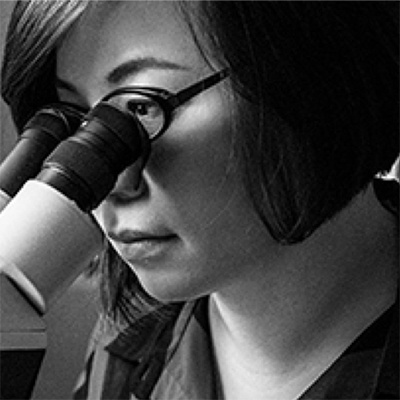

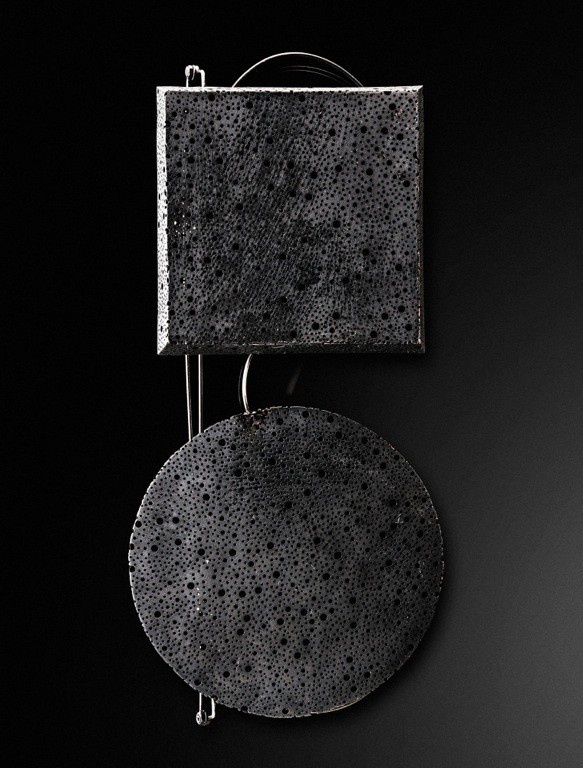
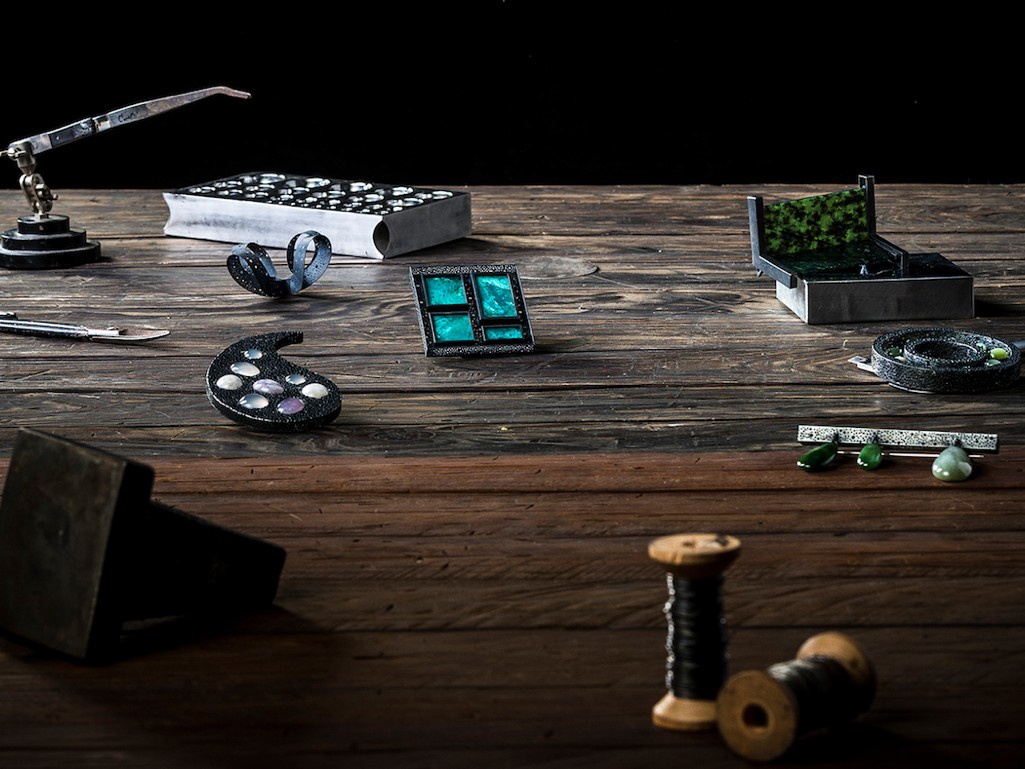
Hsieh Min-Ling ‘s dedication to metalworking is similar to how a spiritual practitioner imposes a strict discipline on himself. To master a skill, years of training is necessary, and the person must maintain inner peace and be absorbed in his creation. Failure is a lesson to learn, and only through persistence can the artist poured life into the craft, which contribute to cultural inheritance.
“Metalworking is different from other material because in the producing process you can see how it turns from stiffness to tenderness. I make the metal very thin, which is in contrast to its image. I hope that the public could slow down and appreciate an artwork, and observe the different forms it represents, ” Hsieh said.
While Hsieh studied abroad in Germany, she saw how the country valued vocational training system and insist on the quality of metalworking. During her six years of study, Hsieh learned that no one could achieve innovation at the first try. To have the ability of innovative thinking, one must keep himself in countenance, and master the skill through constant practicing and learning. More importantly, an artist discovers himself through the process, which grows into the perfect presentation of art.
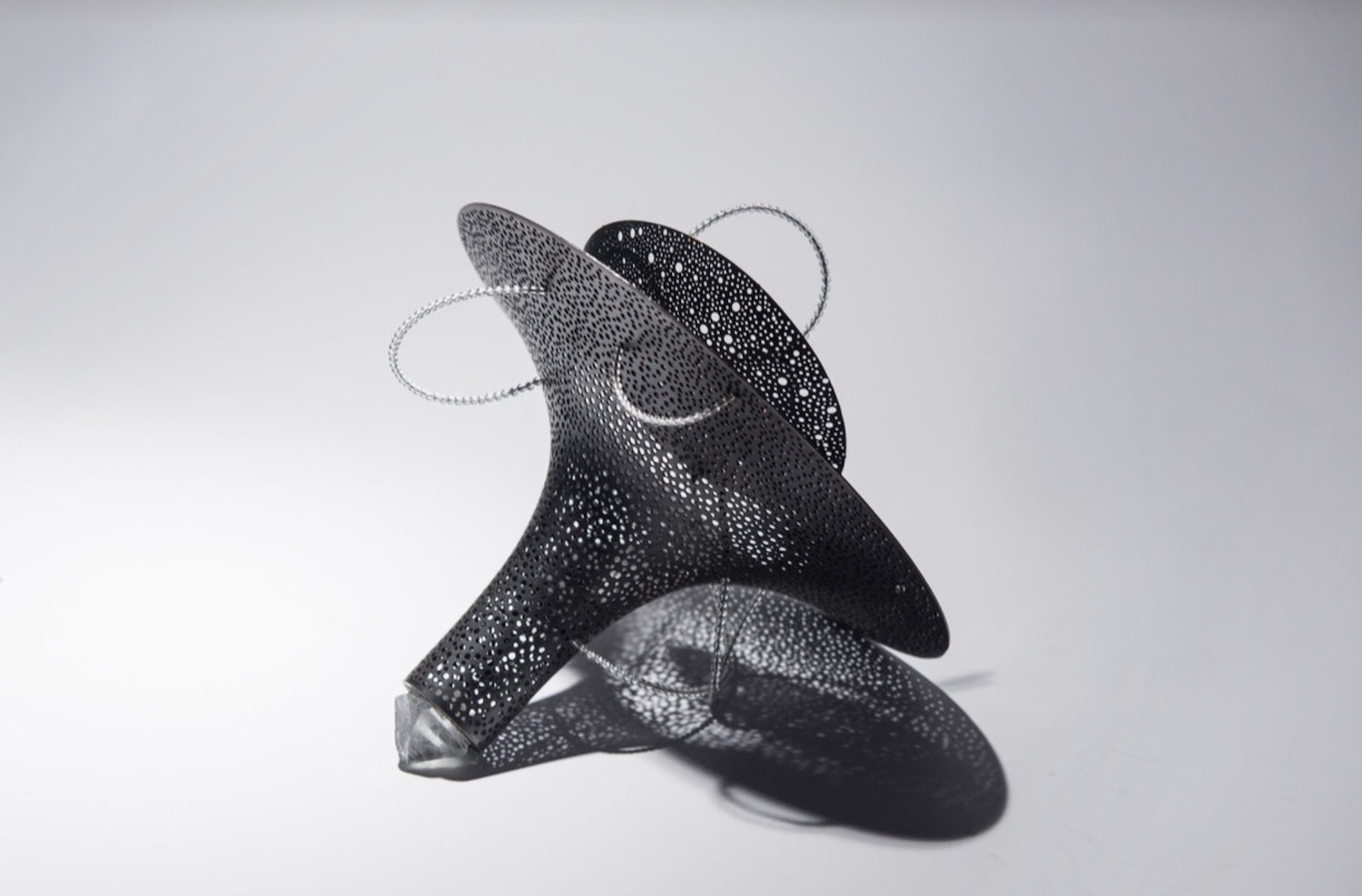
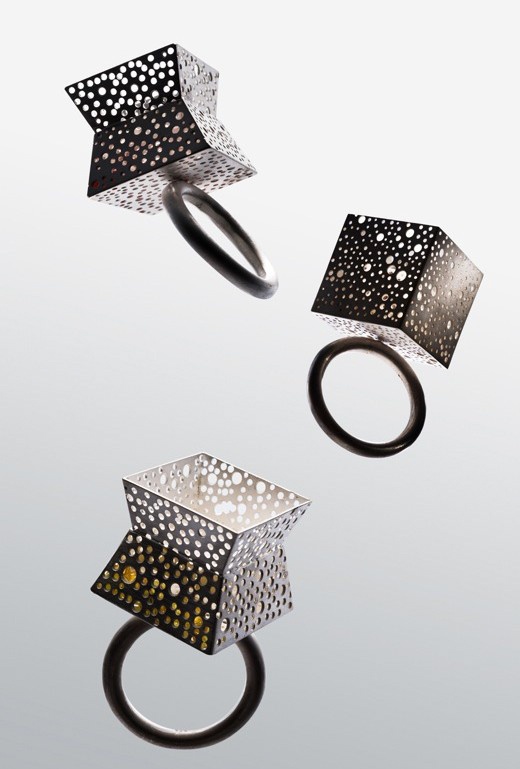
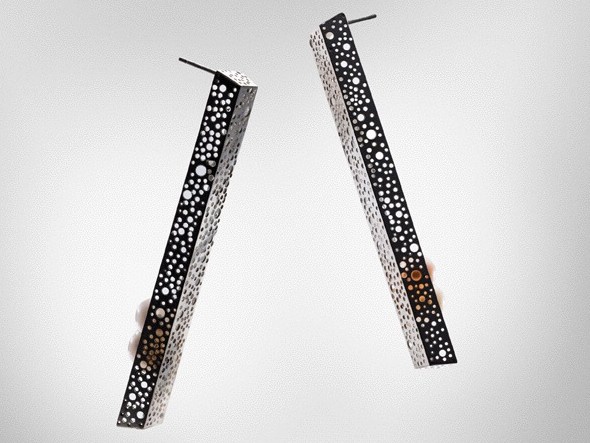
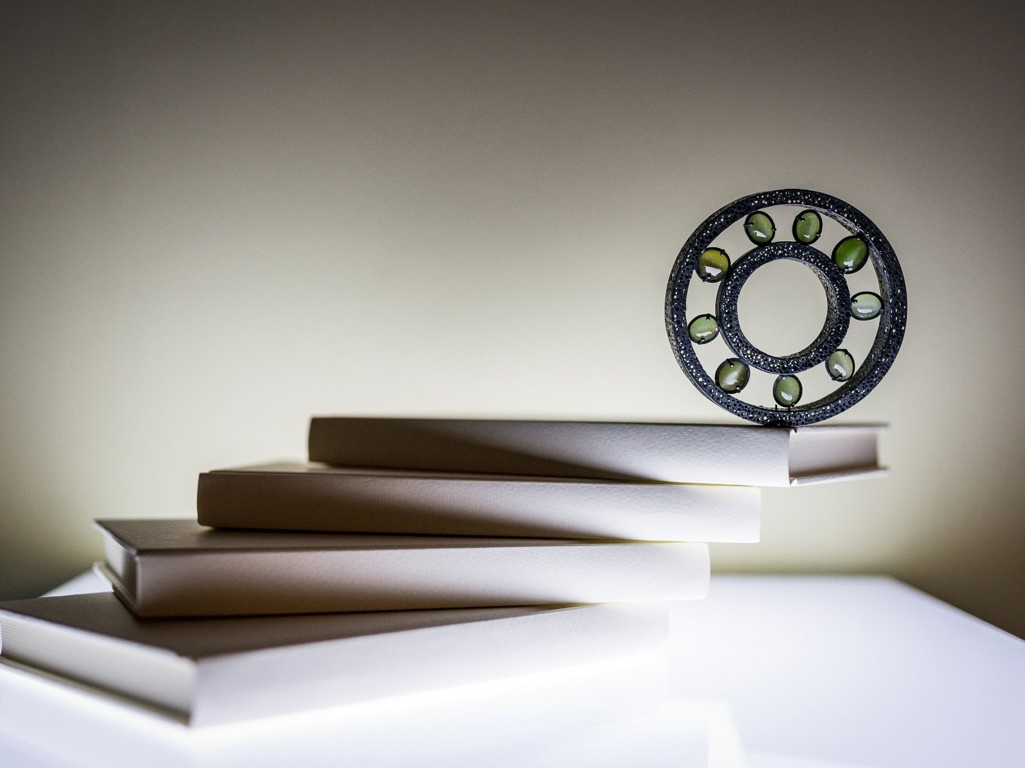
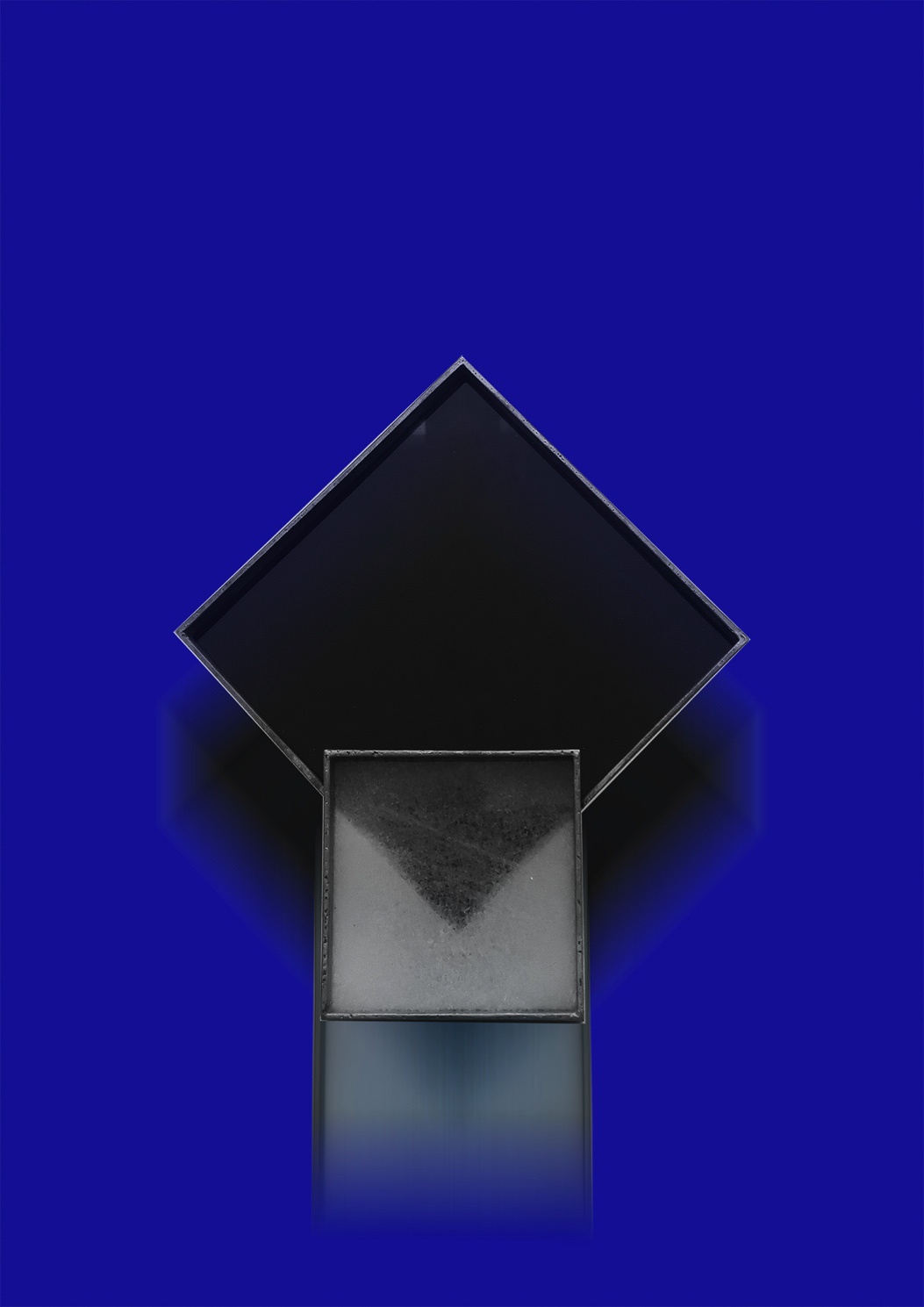
This kind of perseverance manifests in her “Where From” series.
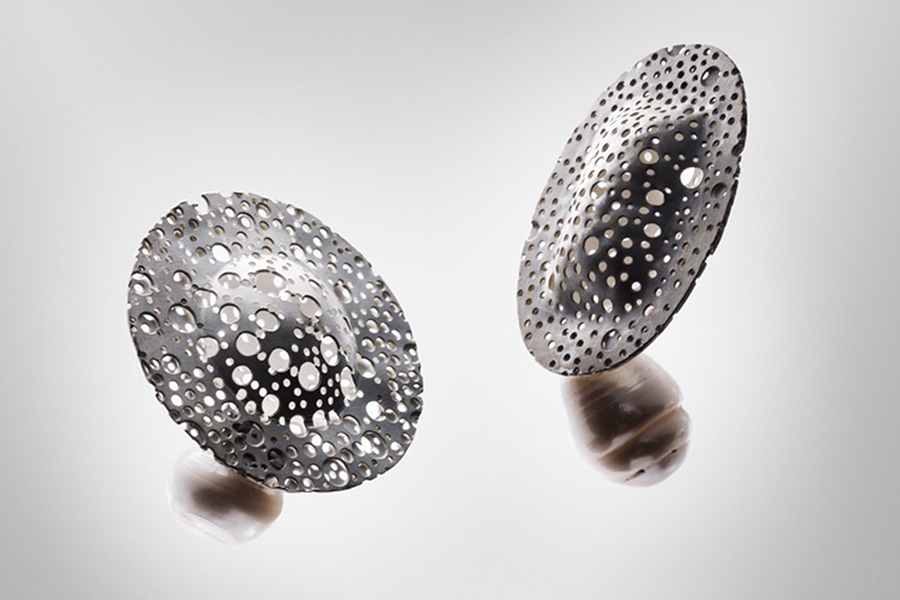
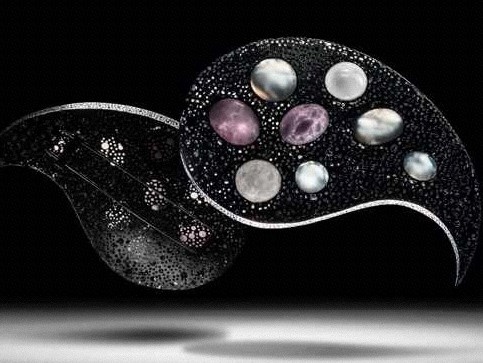
Hsieh Min-Ling/《Where From Series》/Jewellery/Metalworking/2013
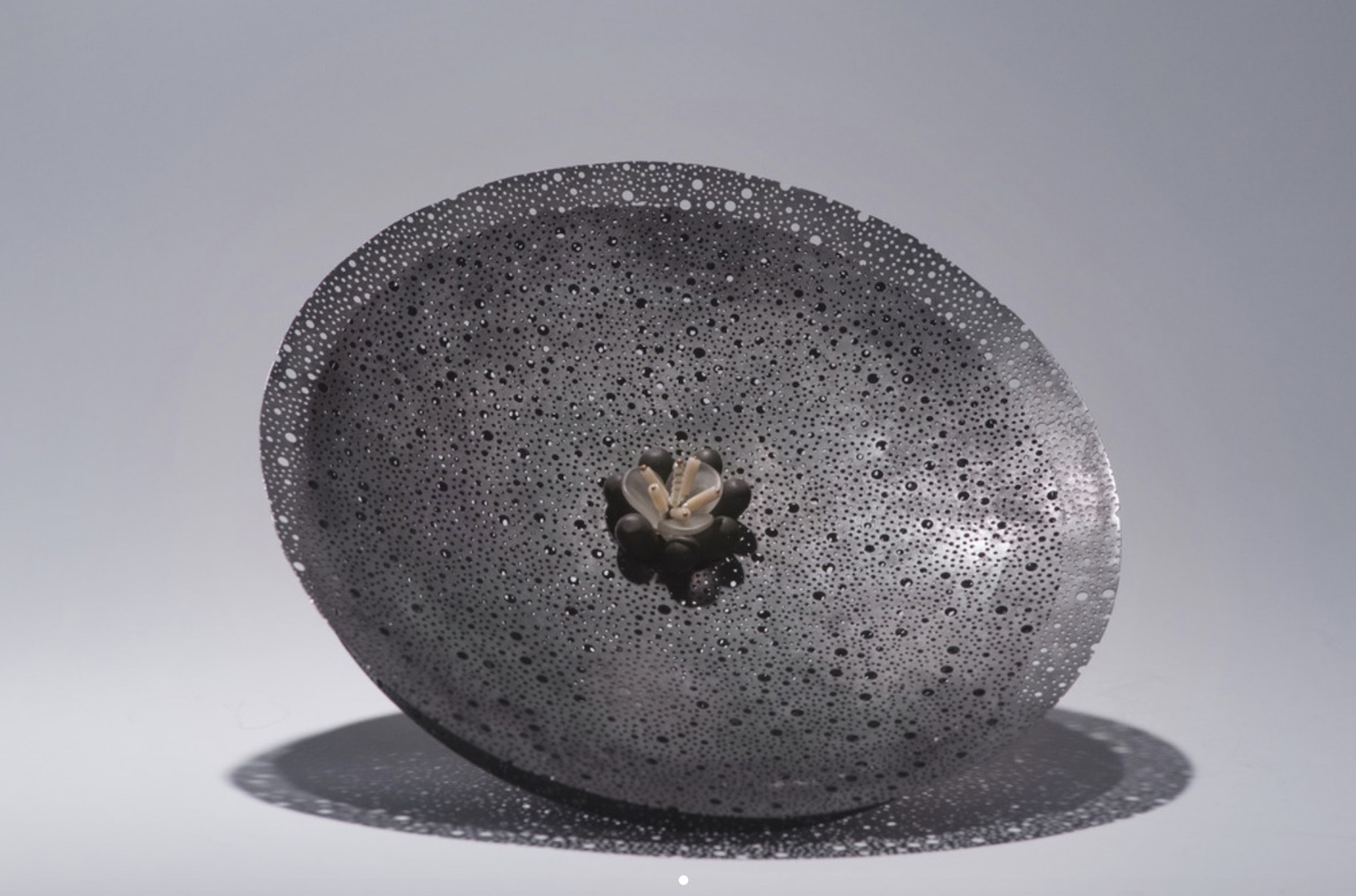
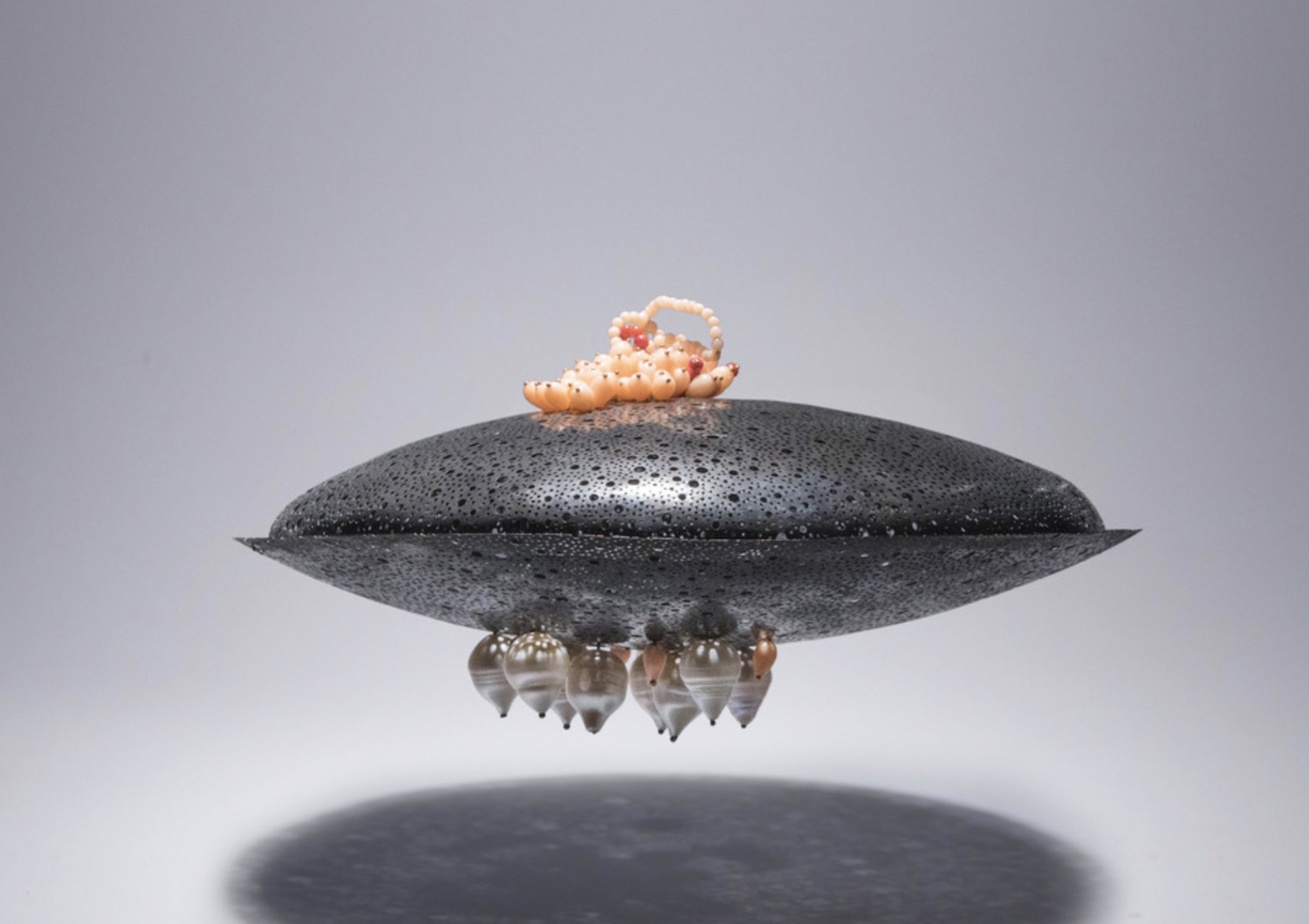
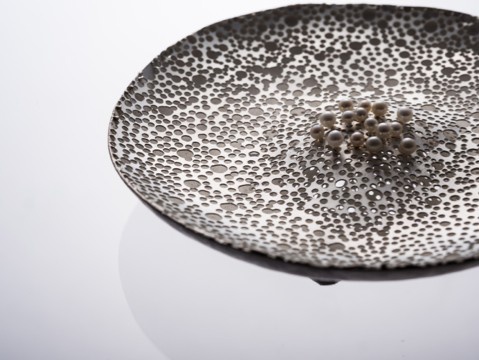
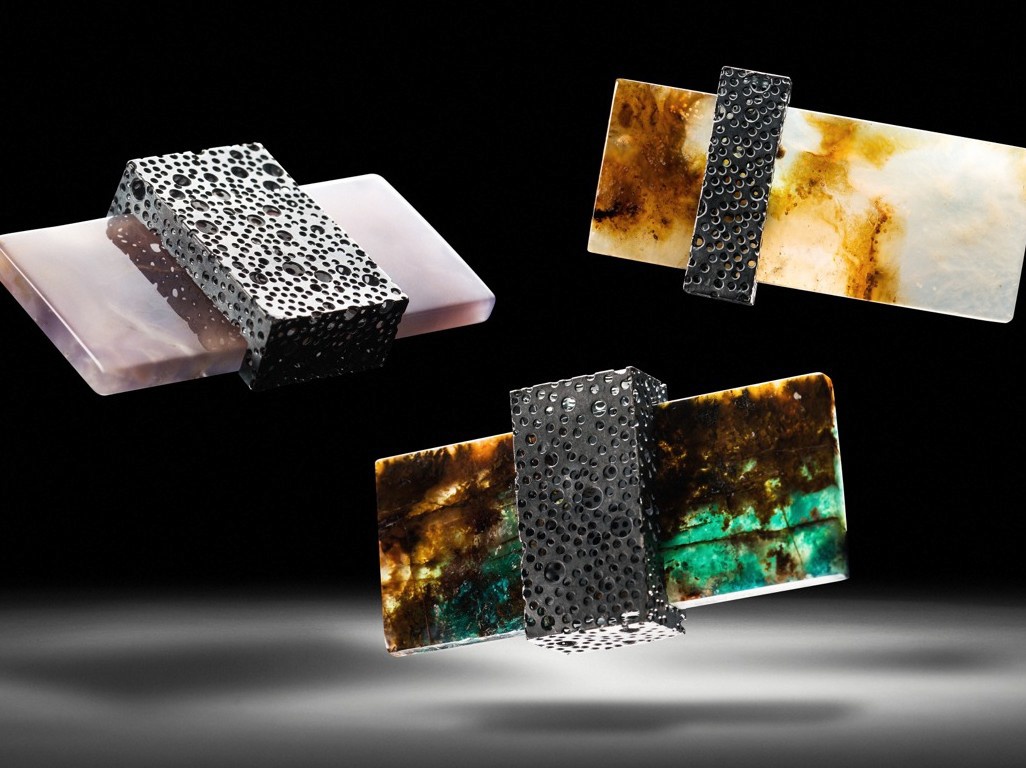
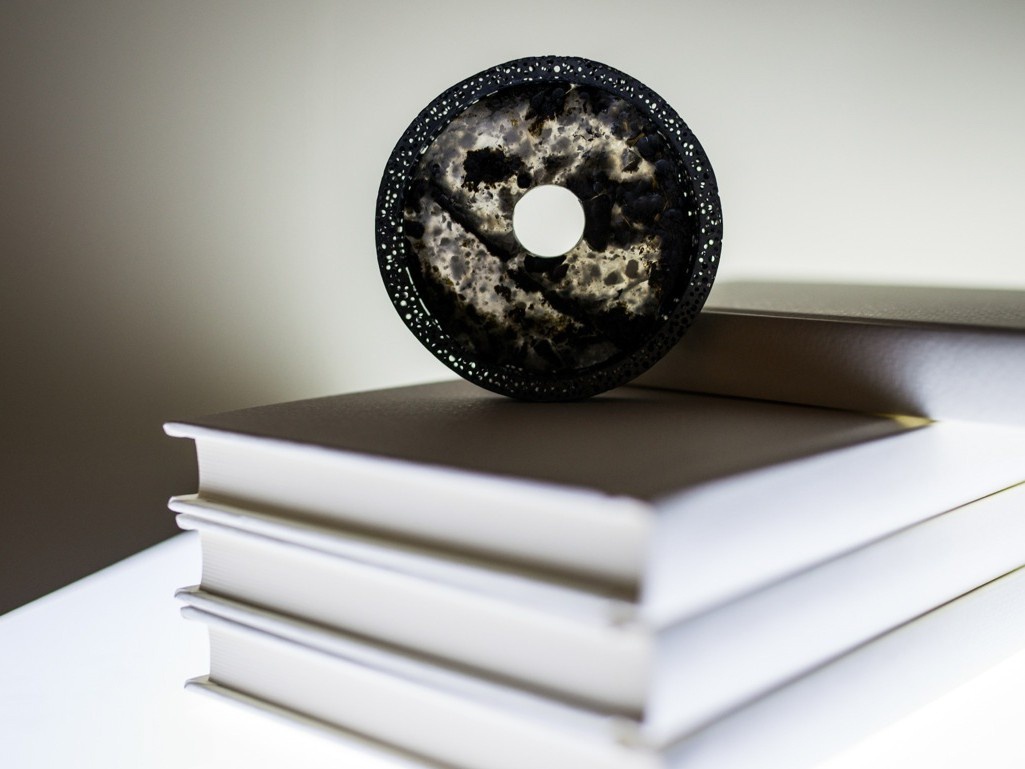
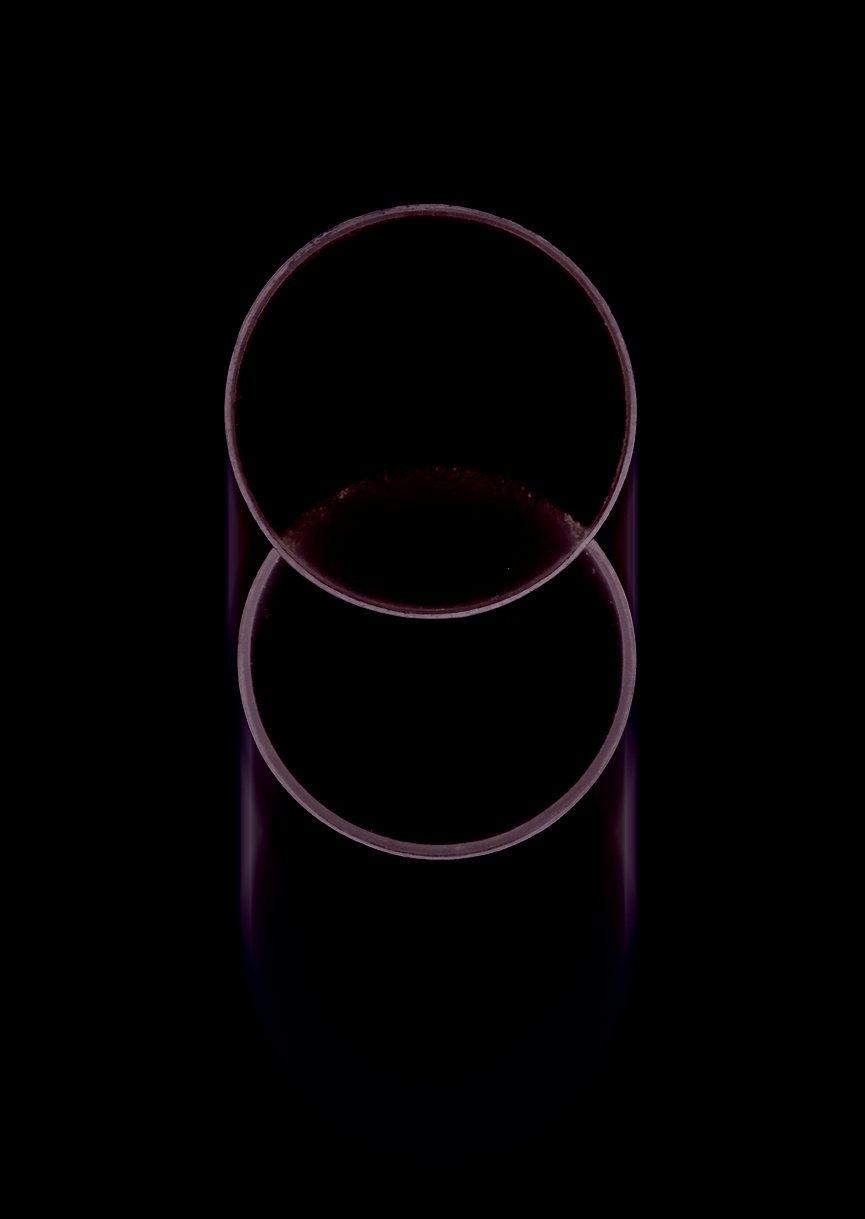
Only when an artist establishes a connection with the artwork can it becomes a good creation; similarly, the audience’s connection with the artworks are intimate and sincere. Everyone’s interpretation of art is different, but it is the most crucial element in art. In “Where From” series, Hsieh Min-Ling returns the ornaments to its essence. Different from the jewellery people see in the market, Hsieh hides the gems inside the rings, “Jewellery is a symbol of a person’s status, but I put the gems inside the rings, showing that the most precious things are usually those beyond our eyesight. As long as we know what is important to us, we don’t need the vanity of material compensation to satisfy ourselves,” She said.
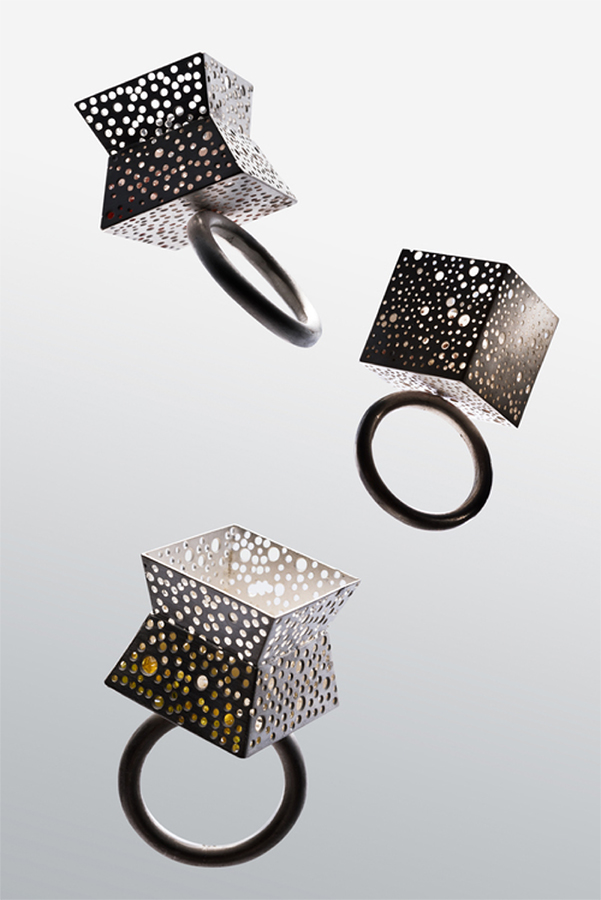
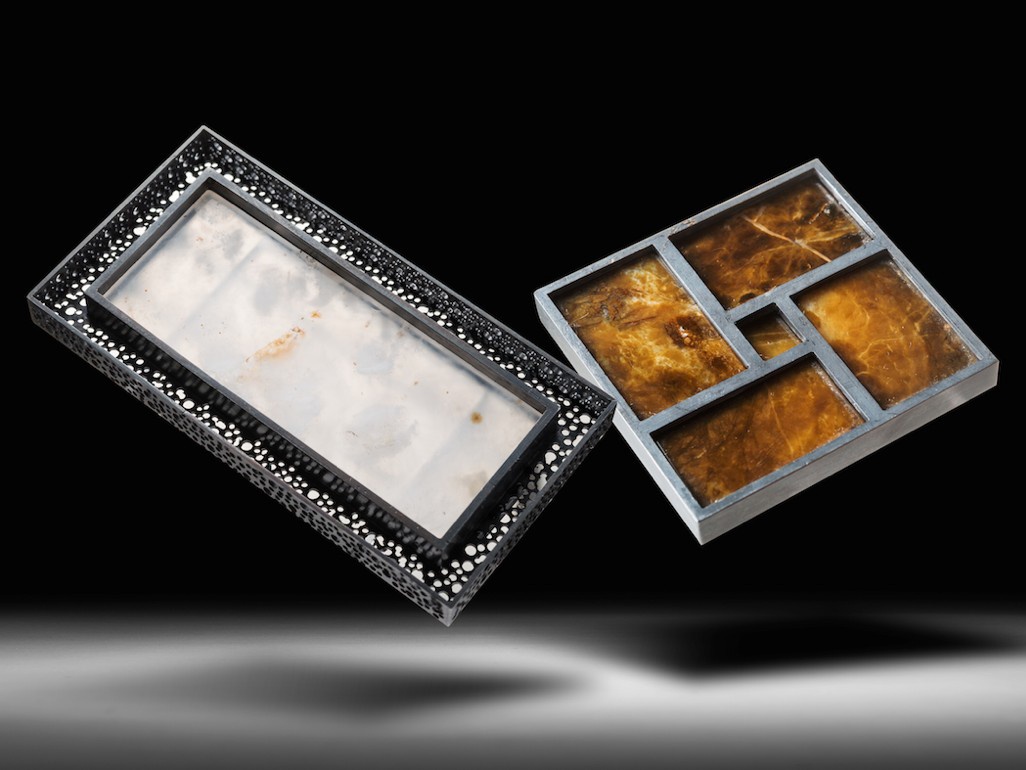
Hsieh Min-Ling/《Where From Series》/Jewellery/Metalworking/2013
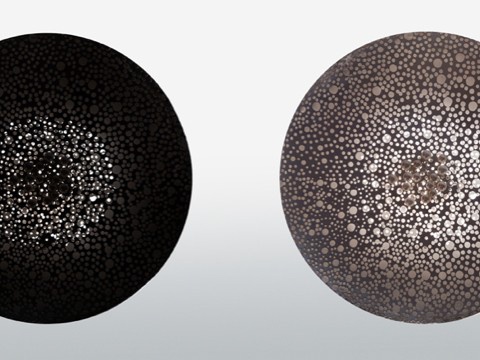
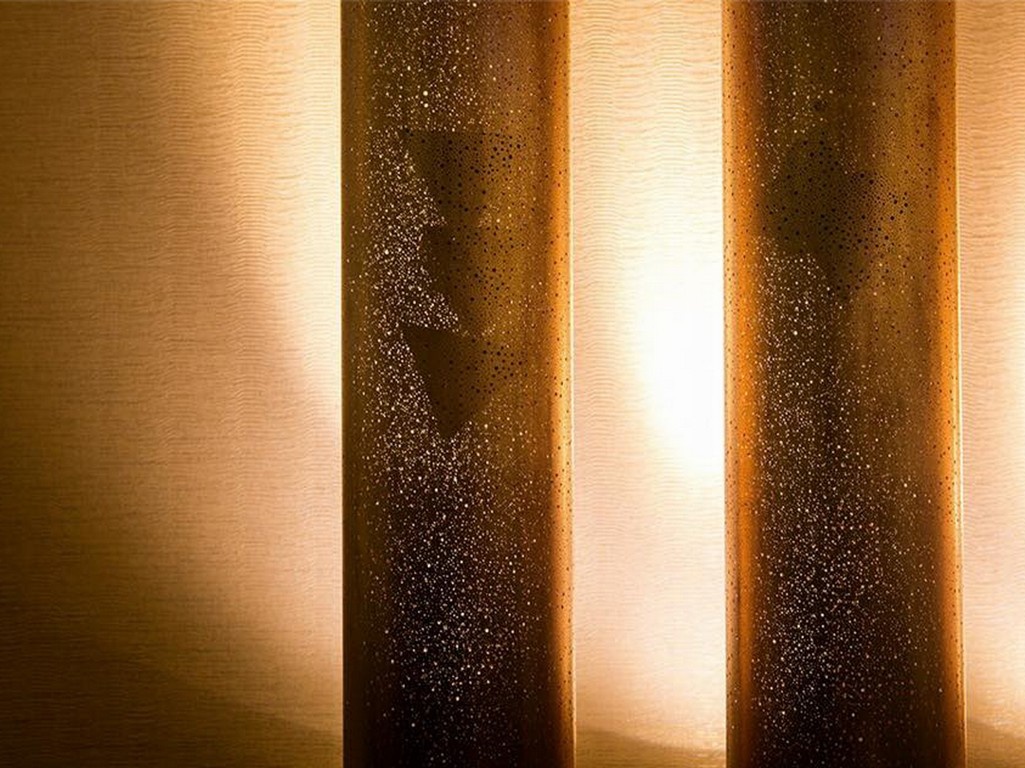
“Subtraction” is an essential element in Hsieh’s work. She uses welding technique to dig holes on the metal, delivering a sense of illusion and motion. She tries to change the public’s stereotypes towards metal, and shift the focus to what’s behind the representation of artwork. After pealing the solid layers of metal, what is left is the dedication to art.
The Interconnection Between Art and Education
Hsieh sees the shortcomings of art education in Taiwan after experiencing education in both the east and west. Art education in Taiwan focuses too much on free-spirited creations but without a solid foundation in art. After four years, the students feel satisfied but not learning anything in depth.
“Once I studied metalworking in Germany, I wasn’t so confused about art anymore. Six years of strict curriculum showed the importance of learning from failure and persevering the quality of art.” She said. How Germany values technical education makes Hsieh reflect on art education, while she feels disappointed at times when she’s the judge of student competitions.
“I found out that students didn’t think much regarding the concept of art. The school told students to create something that is commercial, but what is commercial?” The quality is all that matters. If a work can’t reflect the creator’s ideas, then the art means nothing. Repeating others’ opinions is shallow and unnecessary. To succeed, the key lies in the dedication of the artist. If one can’t get down to his work, he can’t convey his thoughts through contemplation.
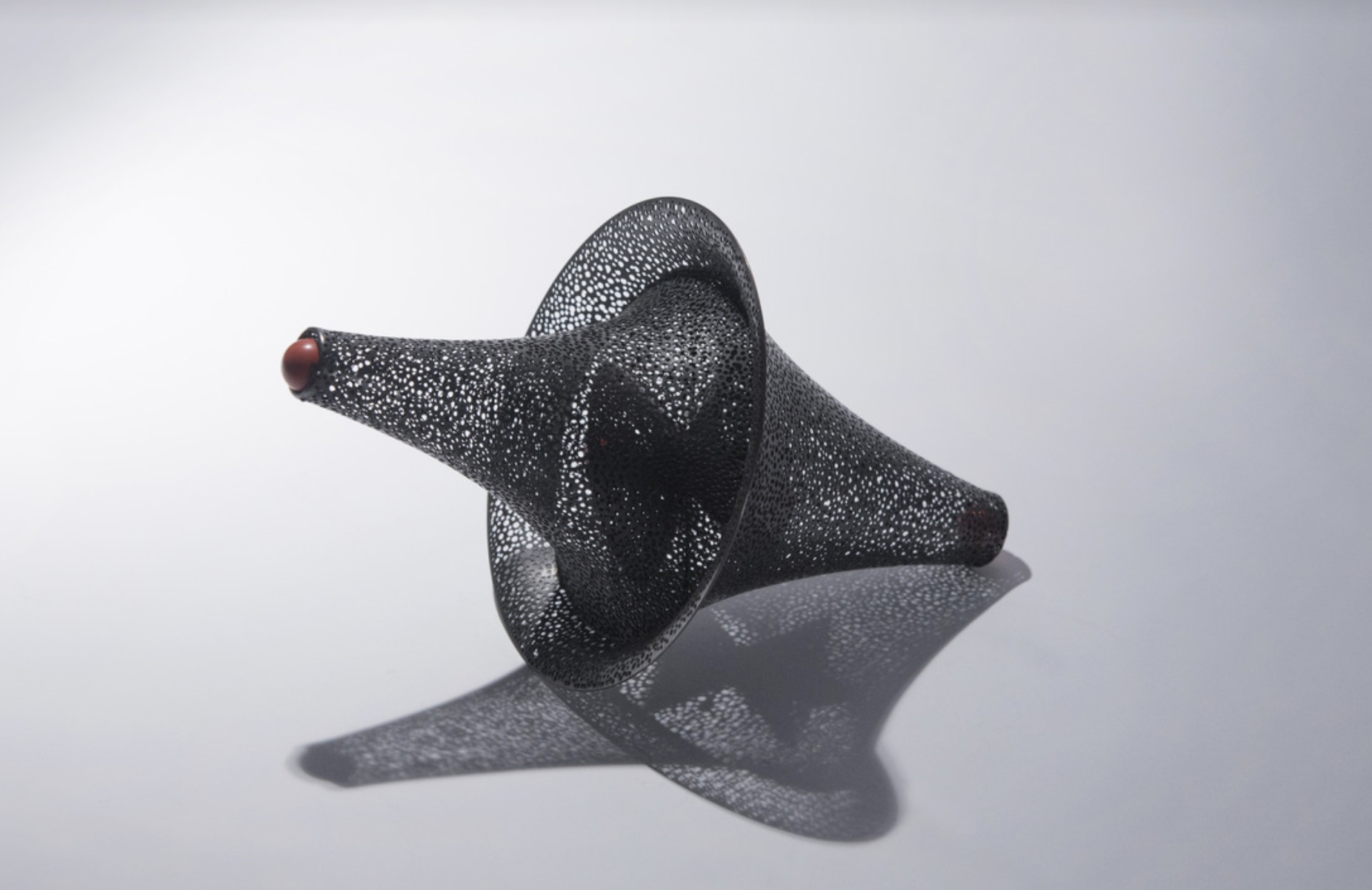
In the exhibition “Pure Taiwan” during 2014, we can see Hsieh’s dedication to art.
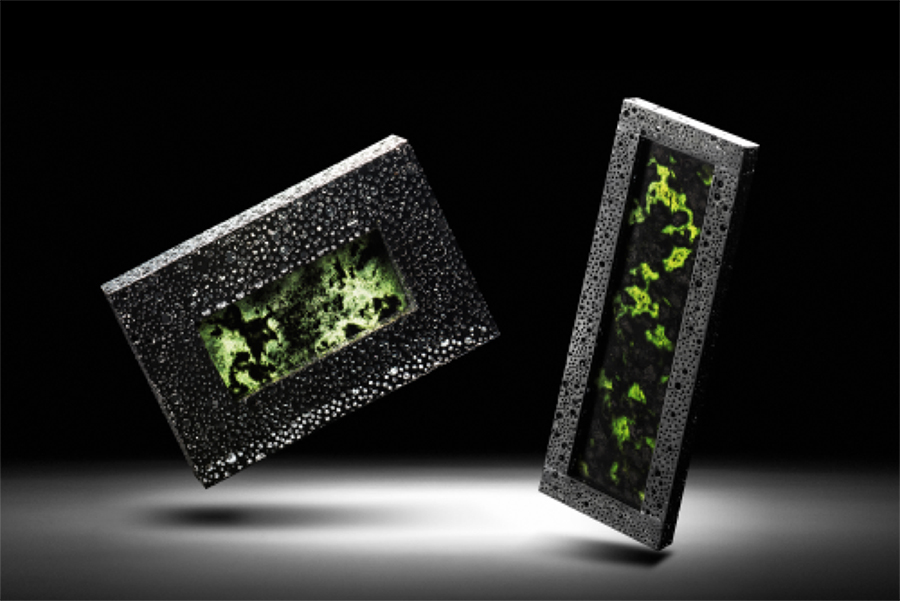
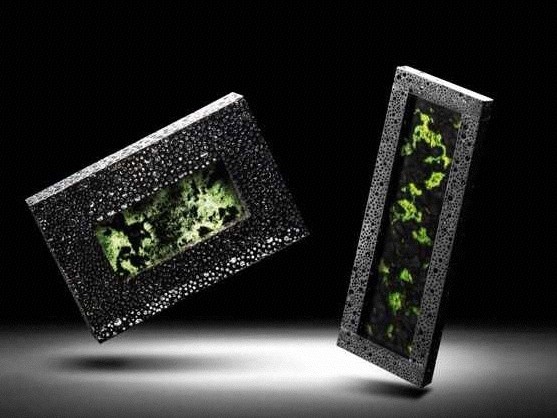
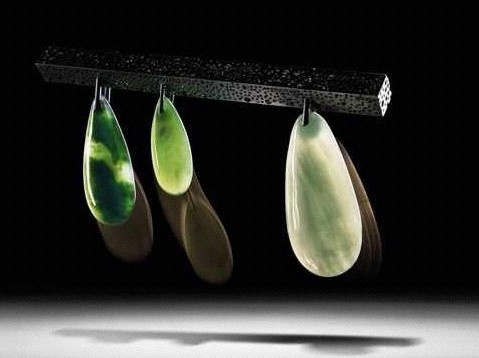
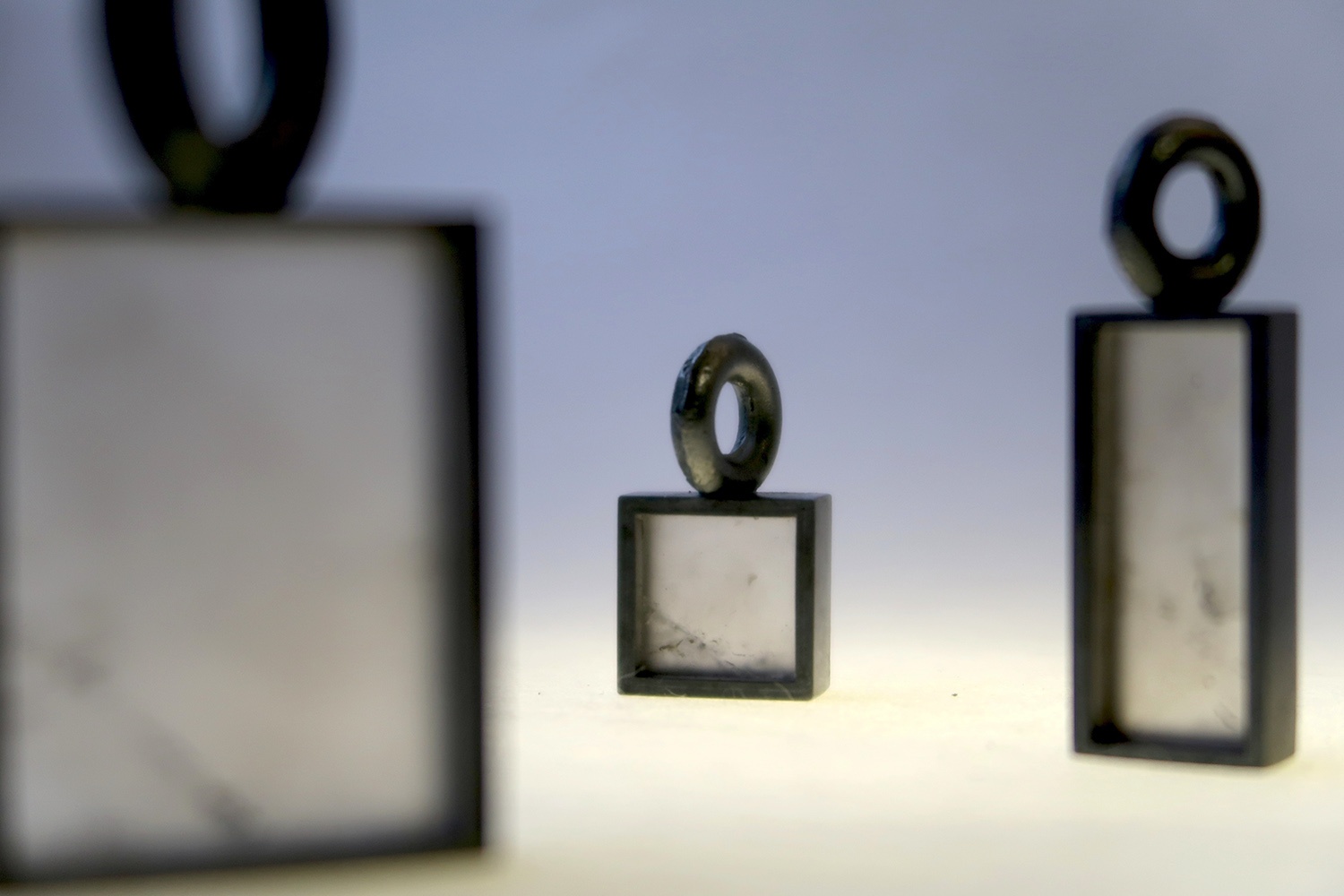
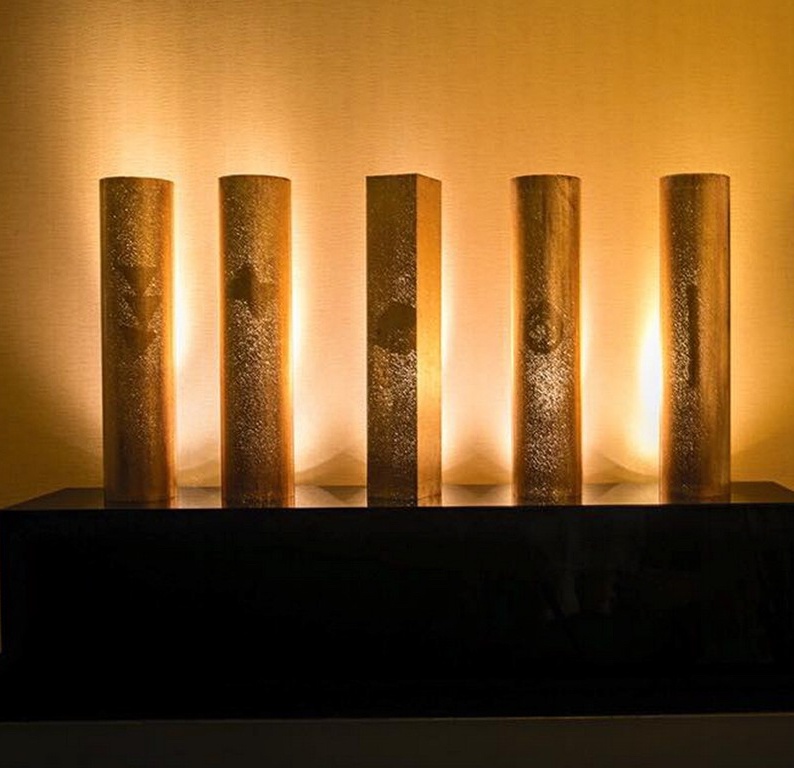
Hsieh Min-Ling/《Feng Ping series》/Jewelry/Jade/2014
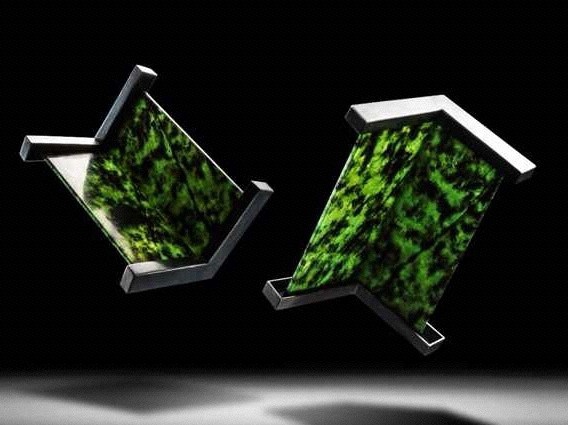
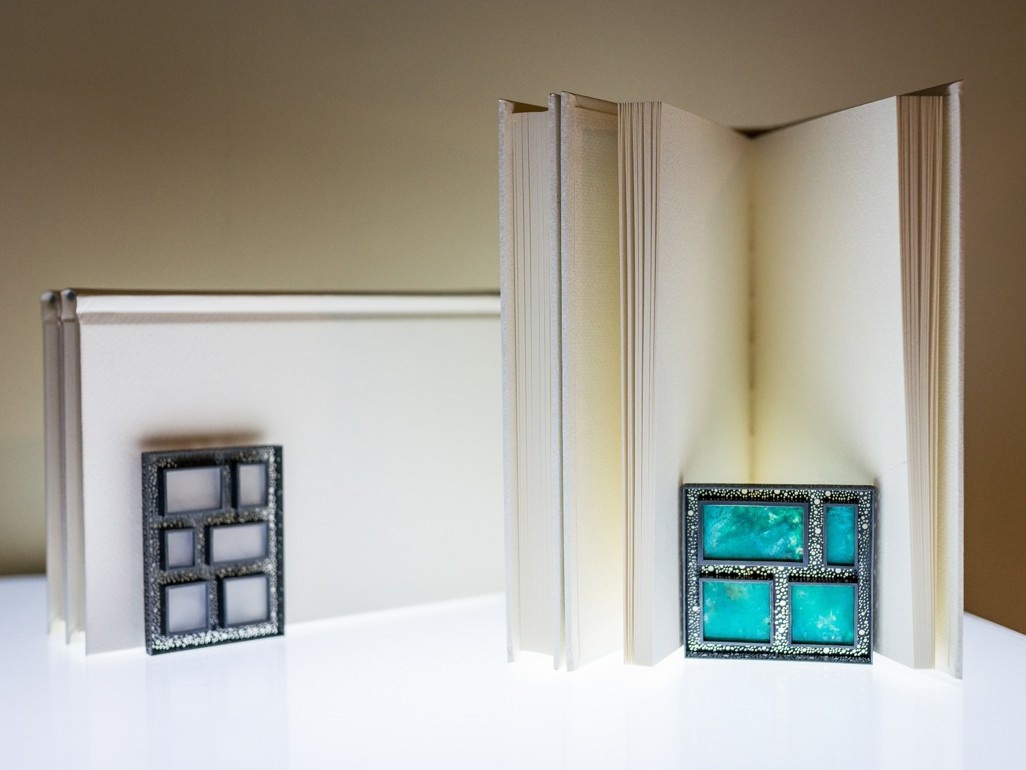
Taiwan used to be abundant of jade, but the glory gradually declines due to over-exploitation. Hsieh tried to get rid of the jade’s image as a commercial product and presents its pristine essence instead. As for the choice of material, she collected minerals in Hualien district, using the color of dark slate grey to give the design a sense of locality with a modern take.
Hsieh hopes to focus on “jade” to show the feature of Taiwan Hualien district, which is implicit but with profound cultural complex.
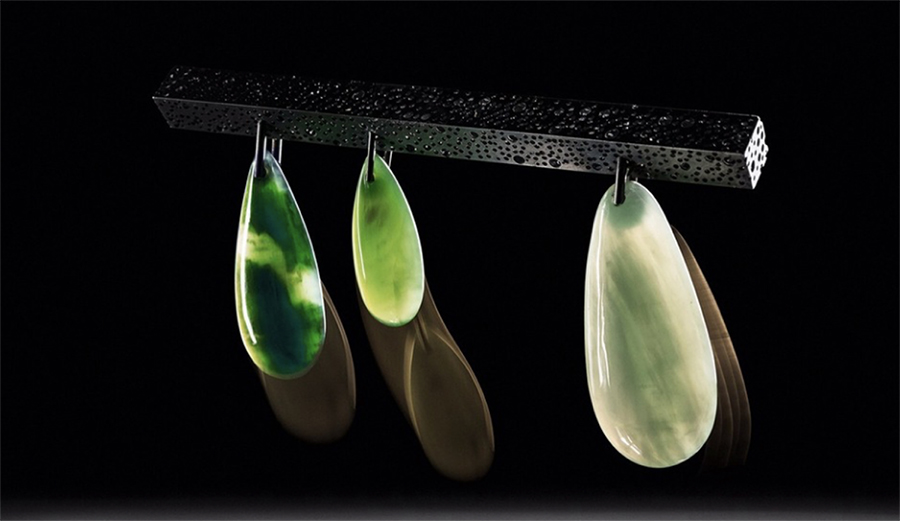
Hsieh Min-Ling/《Feng Ping series》/Jewelry/Jade/2014
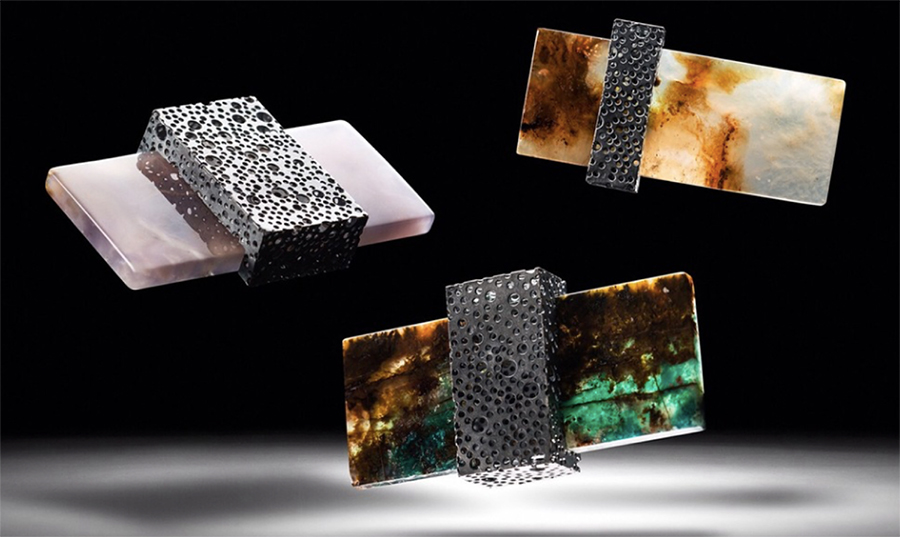
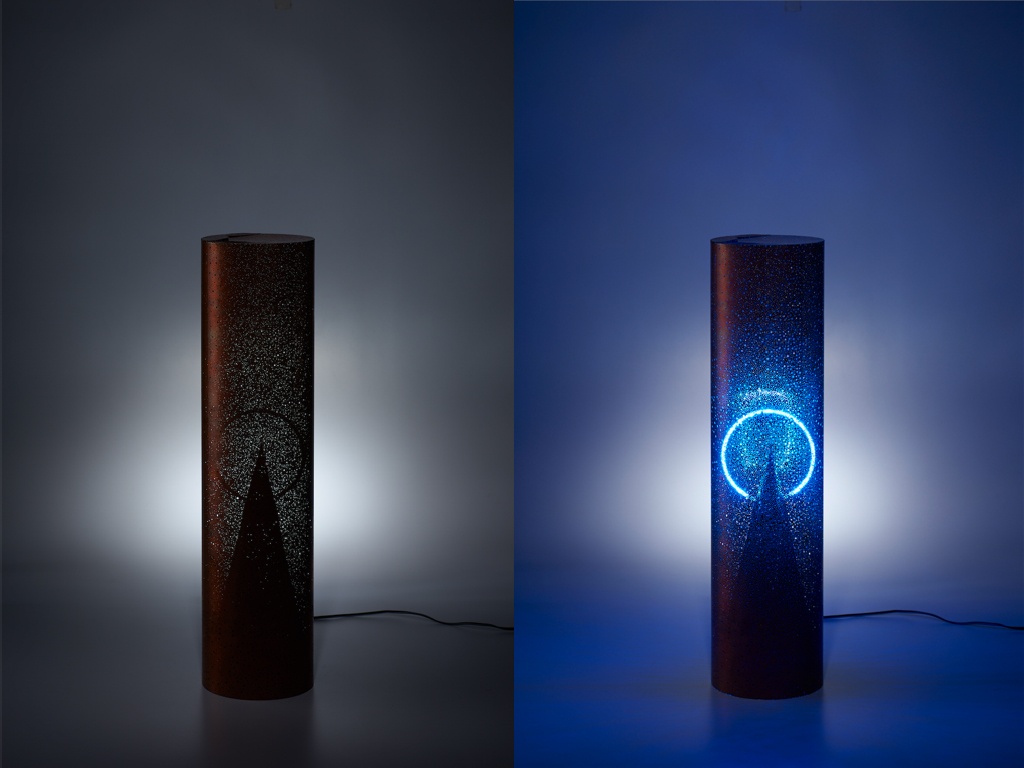
Hsieh Min-Ling/《Feng Ping series》/Jewelry/Jade/2014
-
Hsieh and another jewelry designer established MANO is 2010, hoping to promote handcraft and pass down the skills. Hsieh realizes that contemporary jewelry is not valued in Taiwan, so aside from continuing her profession in metalworking, she also tries to promote works from other artists to the public.
Since 2010, there are over 230 artists that have participated nationally and internationally with MANO’s projects. “We should try to engage more people in metalworking, and present the artists in Taiwan to a global context.” She said.
She jumps out of her comfort zone and starts hold exhibition, in the hope of bringing in more artworks from international artists, facilitating cooperation with local artists. In order to bring metalworking to a broader audience, she and her colleagues invited 70 renowned artists to participate in Taiwan Designer's Week. Their works are presented in plastic boxes because she wants the audience to appreciate the works with no pressure, and develop their perspectives instead of being confined by fame and other constraints.
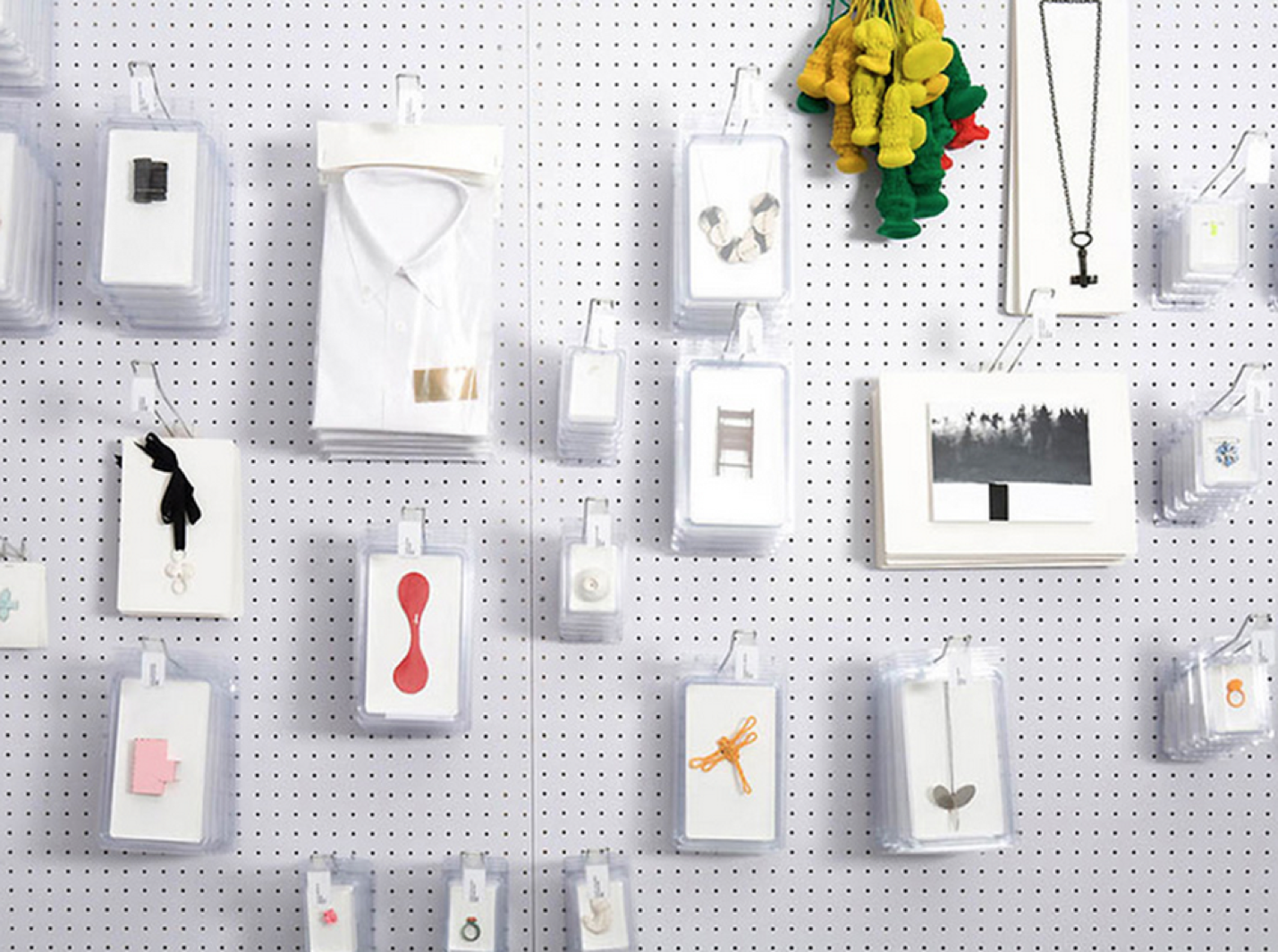
OP VOORRAAD (IN STOCK) TAIPEI
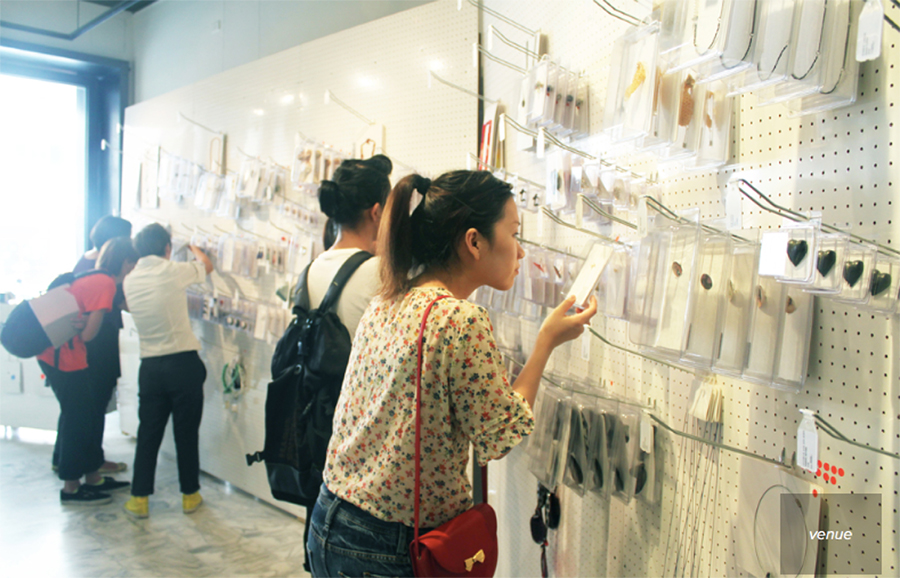
OP VOORRAAD (IN STOCK) TAIPEI
Hsieh Min-Ling thinks that an artist has the responsibility to make the society a better place through his works and to the younger generation. A masterpiece can connect with the audience not only because of its appearnce but also because of the glory of conquering defeats. In Hsieh’s metalworking, the viewers can see her perseverance, and the dedication to preserve the art, just as how her artworks which have been repeatedly hammered, waiting for the moment to thrive.






Copyright @ 2019 China Design Centre Ltd. Privacy policy | Disclaimer

1 / 31
show thumbnailsnext picture previous picture start slideshow close lightbox